Numerical Modeling

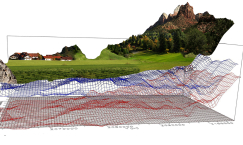
Numerical modeling is a very powerful tool that allows predicting what will happen in an aquifer as a result of actions such as drilling a new well, some change in recharge (for example, a reduction in annual precipitation may considerably reduce recharge), or whether there will be any impact if a well is drilled near another. Additionally, it can allow examining the effects on saltwater intrusion caused by extraction or injection wells, before any construction is carried out.

What is it?

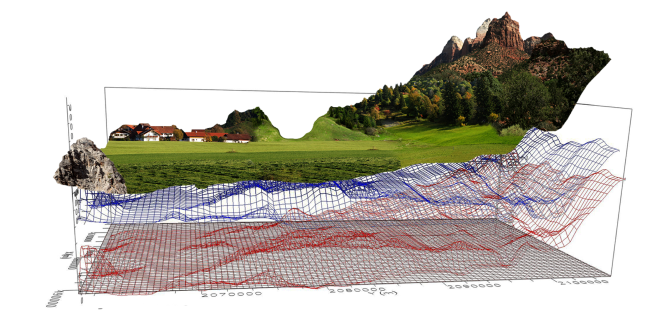
Numerical modeling is based on Darcy’s Law and the Law of Continuity. Using codes developed many years ago by scientists from the United States Geological Survey and others, models such as MODFLOW or GFLOW are used to simulate aquifer systems in two or three dimensions. This allows evaluating different scenarios before making costly investments and thus making the best decisions.

What is it for?

Numerical modeling has become an essential tool for decision-making in hydrogeology worldwide. This tool allows predicting the behavior of a water system, whether it is an aquifer, lake, river, or interaction between groundwater and a surface water body under different types of stresses, such as an increase or reduction in pumping. It also helps determine the water flow velocity and/or predict in which direction and at what speed contaminants in the subsoil may move.

Who is it for?

This is an indispensable tool for decision-makers in both the governmental and private sectors who rely on groundwater as a water source, whether for their operations or for supplying water to the population. According to CONAGUA, more than 80 million Mexicans depend on groundwater as their only source of drinking water.

Benefits

Numerical modeling allows exploring different alternatives before making costly investments and can guide decision-making to avoid mistakes in managing this vital resource.

Related Services

Geophysical Exploration
Geochemical Modeling
Numerical Modeling
RBCA Risk Modeling
Scroll to Top